
A Special Place for Louisa
Annie Graham
There’s something wonderful about hearing that your book has found a home in a library, but some placements feel more significant. Glasgow Women’s Library is one of those places.
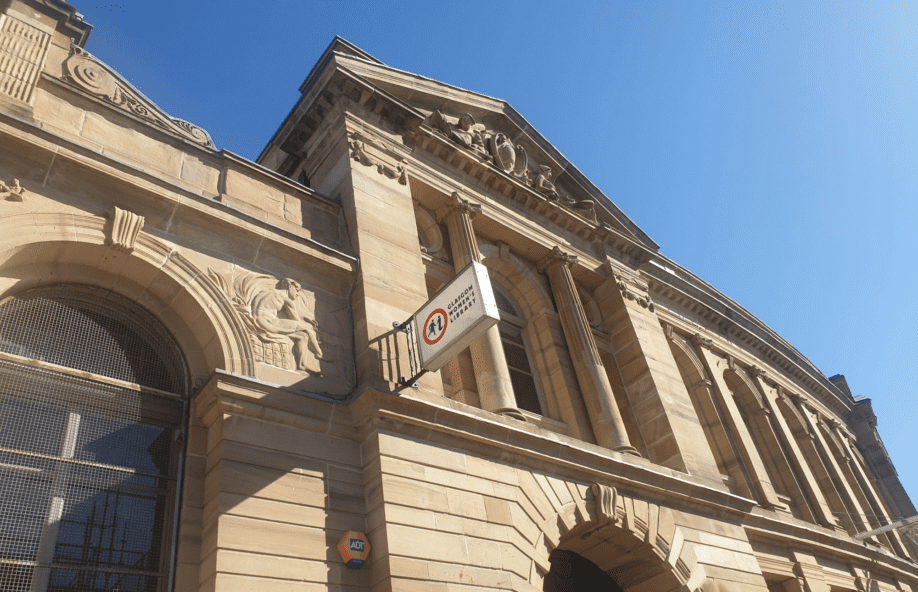
There’s something wonderful about hearing that your book has found a home in a library. It means your story, the one you spent so long researching and writing, is now available to someone you’ll never meet, someone who might pick it up on a whim and find themselves completely absorbed.
Every library placement matters.
But some placements feel like more than that. Glasgow Women’s Library is one of those places.
Glasgow Women’s Library is no ordinary library. It is the only resource of its kind in Scotland, and from the moment you step inside, that becomes very clear. Alongside its lending library, it holds a remarkable treasure trove of historical and contemporary artefacts and archive materials that celebrate the lives, histories and achievements of women, from Suffragette memorabilia and 1930s dressmaking patterns to rare 1970s Scottish Women’s Liberation newsletters.
The library has grown from a small grassroots project into the main hub for information by, for and about women in Scotland, with a team of staff and over 80 volunteers, and more than 200 innovative events and activities across Scotland every year. It is, in every sense, a living institution – one that takes women’s stories seriously, past and present.
That’s why it feels so fitting that Louisa’s Lament has found a place on their shelves. Louisa was a nurse in the 1880s, jailed for manslaughter over the death of a patient… a crime that was not hers to bear. She was a scapegoat, her reputation destroyed, her voice silenced. Writing her story felt like an act of restoration. And now, to have that story held in a library whose entire mission is to preserve and honour the lives of women who might otherwise be forgotten… well, that feels exactly right.
Glasgow Women’s Library’s vision is of a world in which every woman can fulfil her potential, and where women’s historical, cultural and political contributions to society are fully recognised, valued and celebrated. Louisa deserved recognition in her own time. She has it now.